Women Sleep Better Next to a Dog Than with a Man, Study Finds
For many people, sharing a bed is considered a symbol of intimacy and comfort. Yet emerging research suggests that when it comes to sleep quality, women may rest better beside a dog than alongside a human partner. While the idea may sound humorous or provocative at first, scientific studies indicate there may be real physiological and psychological reasons behind it.

The Study Behind the Claim
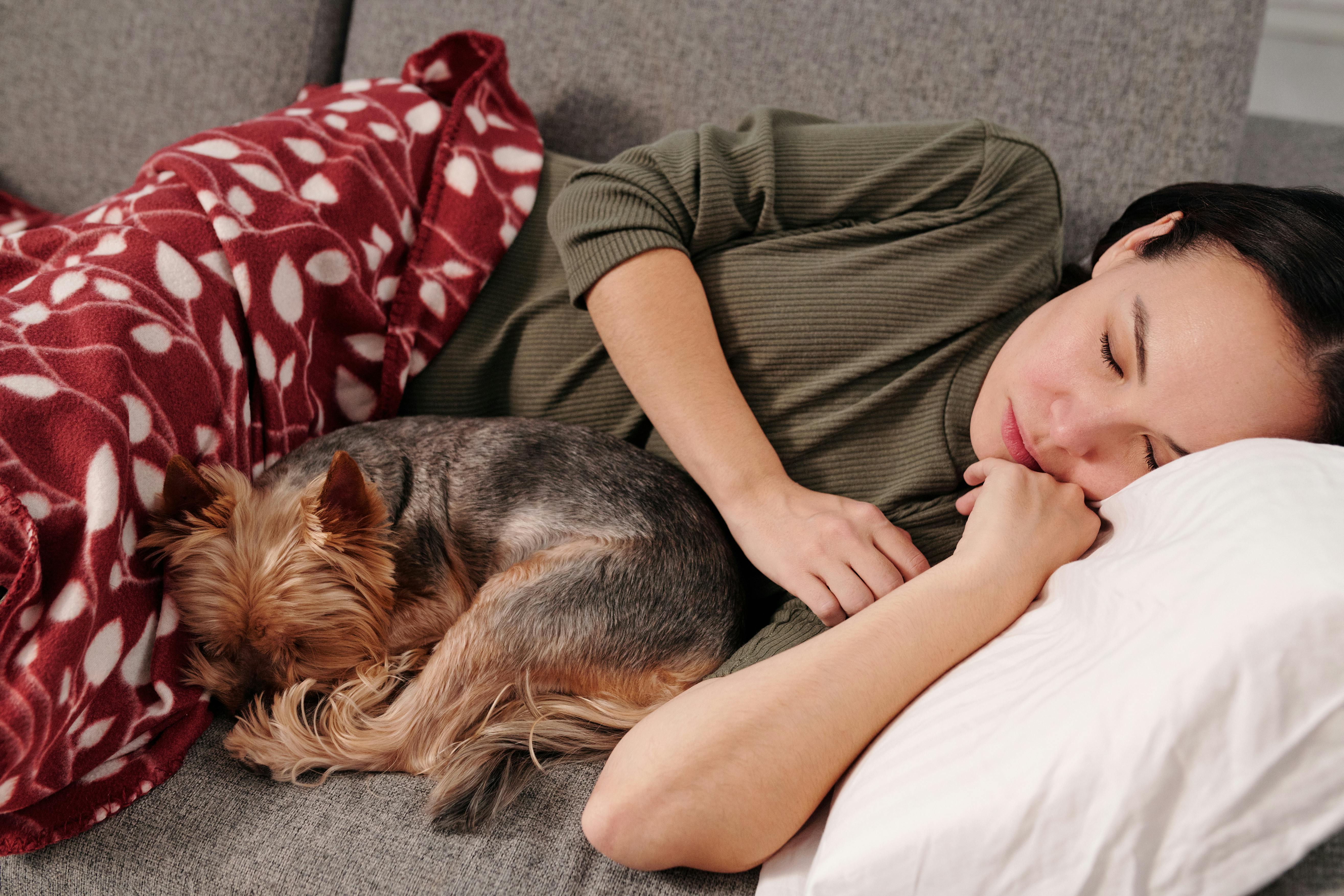
Researchers examining sleep patterns and co-sleeping habits found that women who slept with dogs reported better sleep quality than those who shared their beds with men or even cats. The findings were based on surveys measuring sleep duration, disturbances, feelings of safety, and perceived restfulness upon waking.
While the study relied on self-reported data, the consistency of responses revealed a clear trend: dogs were associated with fewer sleep interruptions and higher feelings of comfort.
Why Dogs May Be Better Sleep Companions
One major factor is predictability. Dogs tend to follow regular sleep schedules and are less likely to toss, turn, or steal blankets during the night. Unlike human partners, dogs generally do not snore loudly, check phones, or shift positions unpredictably.
Additionally, dogs often adapt to their owner’s routine, making them surprisingly compatible bedtime companions.
The Psychological Comfort Factor
Beyond physical behavior, emotional security plays a key role. Many women reported feeling safer when sleeping next to a dog. Dogs are naturally alert to unfamiliar sounds and movements, which can subconsciously reduce anxiety during sleep.
This sense of protection may lower stress levels, allowing the body to enter deeper stages of rest more easily.
Why Human Partners Can Disrupt Sleep
Human co-sleepers often bring habits that interfere with rest: snoring, late-night screen use, temperature differences, and inconsistent sleep schedules. Emotional stress, relationship tensions, or disagreements can also linger into bedtime, making relaxation more difficult.
Even subtle movements throughout the night can interrupt sleep cycles, reducing overall rest quality.
Dogs vs. Cats in the Bedroom
Interestingly, dogs appeared to be better sleep partners than cats. Cats are typically more nocturnal, more independent, and more likely to move around at night. Their unpredictable behavior can disrupt sleep more frequently than dogs, who are generally aligned with human circadian rhythms.
Not an Anti-Men Message
Researchers emphasize that these findings are not meant to criticize men or romantic relationships. Instead, they highlight how sleep quality is influenced by routine, predictability, and perceived safety.
Many couples improve their sleep by using separate blankets, adjusting sleep schedules, or even sleeping in separate beds—without harming relationship satisfaction.
What This Says About Modern Sleep
The study reflects a broader truth about modern sleep challenges. As stress levels rise and sleep becomes more fragile, people are increasingly sensitive to disturbances. Comfort, routine, and emotional security matter more than tradition.
For some women, dogs simply provide those elements more consistently at night.
The Growing Acceptance of “Unconventional” Sleep Setups
Sleeping apart, sharing a bed with pets, or creating personalized sleep environments is becoming more socially accepted. What matters most is quality rest—not adhering to outdated norms.
As science continues to explore sleep behavior, one message is clear: better sleep often comes from understanding personal needs rather than following expectations.
Conclusion
While it may sound surprising, research suggests that many women sleep better next to a dog than with a man. The reasons are rooted in routine, emotional security, and fewer disturbances—not in relationship dissatisfaction.
Ultimately, good sleep is deeply personal. Whether that means sharing a bed with a partner, a pet, or sleeping solo, the best choice is the one that helps you wake up feeling truly rested.