Why Animals Become Less Social as They Age — And What It Reveals About Us
Research shows that many animals change their behavior as they get older, often becoming less social and more selective in their interactions. While this shift may seem subtle at first, long-term studies across multiple species suggest it is one of the most consistent patterns of aging in the animal kingdom — and one that closely mirrors human behavior.

From deer and birds to primates and even insects, aging animals tend to shrink their social circles, interact less frequently with peers, and focus their energy on fewer, more familiar relationships. Scientists believe these changes are not signs of decline or failure, but rather strategic adaptations shaped by evolution.
What Long-Term Studies Reveal About Aging Animals
Unlike short observational experiments, long-term studies allow researchers to track individual animals over many years — sometimes even decades. These studies have uncovered a clear trend: as animals age, they become increasingly selective about who they interact with and how often.
In wild deer populations, older individuals are less likely to roam widely or engage in group activities. Instead, they maintain distance from unfamiliar members of the herd. Similar patterns have been observed in birds, where older individuals reduce the size of their social networks and avoid unnecessary interactions during feeding or migration.
Among primates — one of the most socially complex animal groups — the trend is especially striking. Older monkeys and apes often withdraw from large group dynamics and focus instead on a small number of trusted companions. They spend less time grooming, playing, or competing, and more time resting or engaging in calm, predictable social behaviors.
Shrinking Social Circles: A Survival Strategy

At first glance, becoming less social might appear to be a disadvantage. However, researchers argue that this behavioral shift may actually serve important survival purposes.
As animals age, their physical resilience declines. Injuries take longer to heal, immune systems weaken, and energy becomes a more limited resource. By reducing social interactions, older animals may lower their risk of conflict, injury, and disease transmission.
Competition for food, mates, or territory can be physically demanding and dangerous. Younger animals may benefit from taking these risks, but for older individuals, avoiding confrontation can increase the chances of survival. By choosing fewer interactions and more predictable relationships, aging animals conserve energy and reduce stress.
Avoiding Disease and Social Stress
Another possible explanation lies in disease prevention. Social interaction — while beneficial — also increases exposure to parasites, pathogens, and viruses. Older animals, whose immune systems may no longer function at peak efficiency, could benefit from limiting contact with large or unfamiliar groups.
In dense social networks, diseases spread quickly. By shrinking their social circles, older animals may unintentionally create a protective barrier against infection. This behavior has been observed in both wild and captive populations and is increasingly supported by epidemiological models in animal behavior research.
Additionally, social stress plays a role. Hierarchies, dominance struggles, and competition are mentally taxing. Older animals may simply be less willing — or less able — to navigate complex social environments.
The Human Parallel: Aging and Social Withdrawal
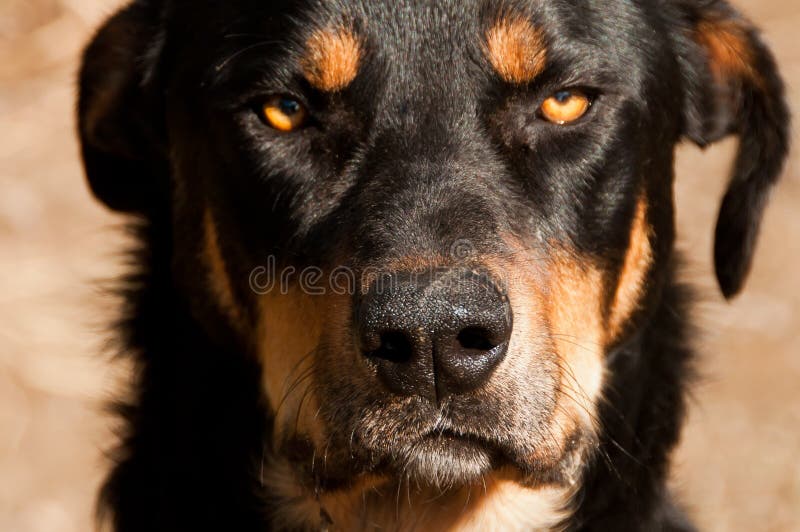
Perhaps the most fascinating aspect of this research is how closely animal behavior mirrors human aging.
As people grow older, many also become more selective about their relationships. Social circles tend to shrink, casual acquaintances fade away, and emotional energy is invested in fewer, deeper connections. While this is sometimes described as social withdrawal, psychologists increasingly view it as a natural and even healthy adaptation.
Older adults often report lower tolerance for conflict, noise, and unnecessary social obligations. Like animals, humans may prioritize emotional stability, comfort, and familiarity over social expansion. This resemblance suggests that changes in social behavior with age may be deeply rooted in biology rather than culture alone.
Is Irritability a Sign of Decline — or Wisdom?
One common assumption is that reduced sociability or increased irritability reflects cognitive or emotional decline. However, researchers caution against this interpretation.
In both animals and humans, aging may bring heightened awareness of limitations — physical, mental, or emotional. With this awareness comes a stronger sense of boundaries. Older individuals may simply be less willing to tolerate stressors that once seemed manageable.
Rather than becoming “grumpier,” aging animals may be making calculated choices about how to spend their limited energy. What appears as irritability could actually be efficiency — a refined understanding of what is worth engaging in and what is not.
Not All Social Bonds Disappear
Importantly, aging does not mean social isolation. Studies show that while older animals reduce the number of social interactions, the relationships they maintain often become more stable and meaningful.
In primates, older individuals often retain strong bonds with family members or long-term companions. In birds, mating pairs that survive into old age may become more synchronized and cooperative over time. These enduring connections suggest that aging shifts social priorities rather than eliminating them.
This pattern again mirrors human behavior, where long-term friendships and family relationships often become more central later in life.
What This Research Means for Conservation and Care

Understanding how animals naturally change with age has important implications for wildlife conservation, zoo management, and pet care.
For captive animals, forcing constant social interaction may increase stress rather than improve well-being. Providing options for solitude, predictable routines, and familiar companions can better align with the needs of older individuals.
For pet owners, recognizing that an aging dog or cat may prefer quieter environments and fewer interactions can lead to more compassionate care. Behavioral changes should not automatically be viewed as problems to be corrected, but as signals to adjust expectations and environments.
A Universal Pattern of Aging
Across species, aging appears to bring a common theme: selectivity. Whether driven by biology, experience, or survival instincts, older animals — including humans — become more intentional about how they interact with the world.
These findings challenge the idea that social decline is purely negative. Instead, they suggest that aging reshapes priorities, encouraging individuals to focus on what truly matters.
In the end, becoming less social may not be a loss at all — but a quieter, more deliberate way of living.