Researchers May Have Discovered What Makes Orange Cats “Special”
Orange cats—often affectionately called ginger cats—have long held a special place in internet culture and in the hearts of pet owners. Known for their expressive faces, playful behavior, and seemingly bold personalities, orange cats are often described as being more social, quirky, or even mischievous compared to cats of other colors. But is this reputation just a stereotype, or is there actual science behind it?
Recent scientific research suggests there may indeed be something biologically unique about orange cats—particularly when it comes to genetics, behavior, and even brain chemistry.
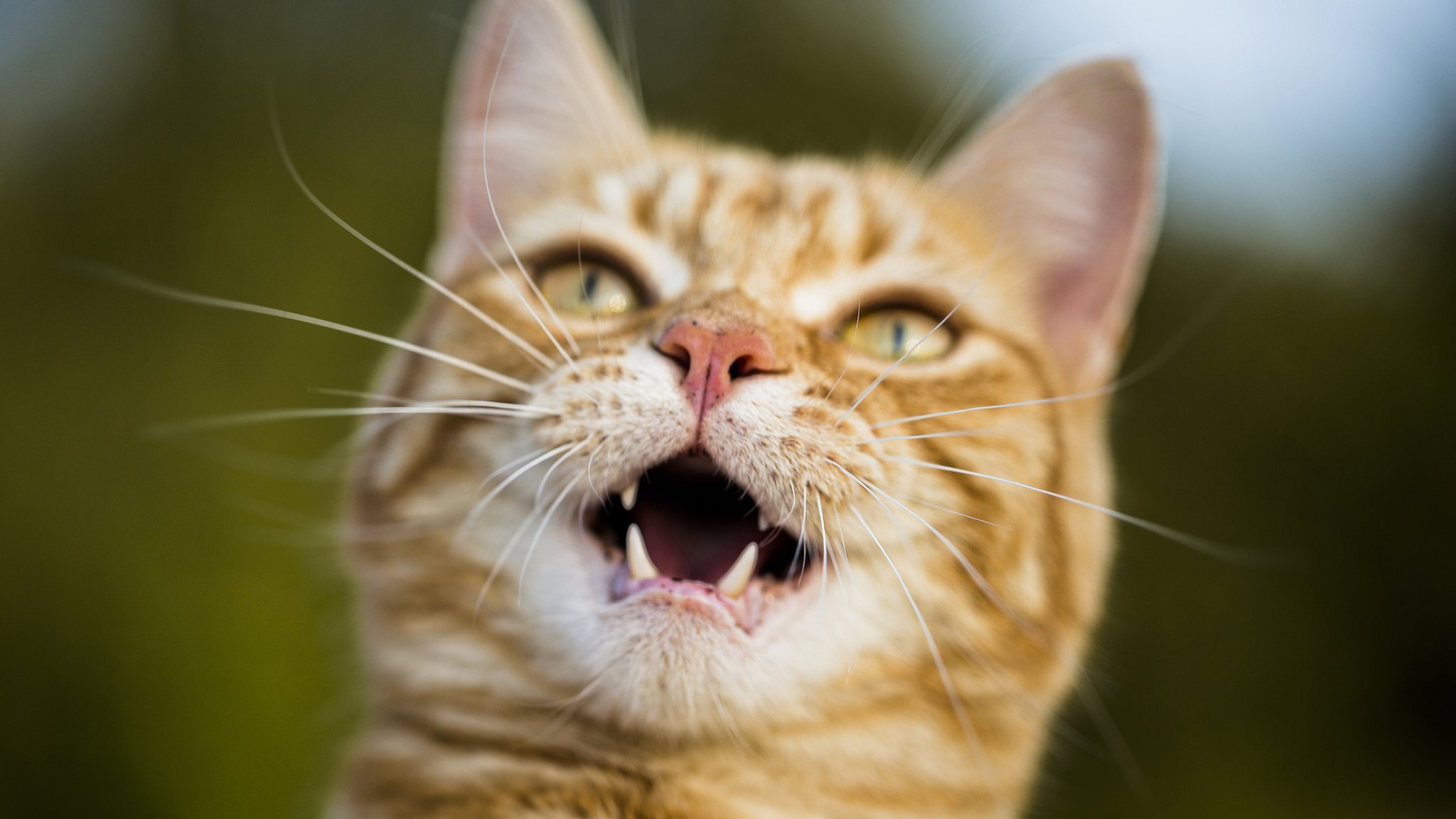
The Genetics Behind Orange Fur
The orange color in cats is not random. It is caused by a specific gene known as the O gene, which is located on the X chromosome. This gene controls whether a cat’s fur produces black or orange pigment.
Because males have only one X chromosome (XY), they are far more likely to be fully orange if they inherit the orange gene. Females, who have two X chromosomes (XX), usually need both chromosomes to carry the orange gene to be completely orange. This explains why the majority of orange cats are male, a fact that has intrigued researchers for decades.
Could Genetics Influence Personality?
While coat color itself does not directly determine personality, scientists believe that genes linked to coat color may also influence neurological development. Some studies suggest that the same genetic pathways affecting pigmentation could be connected to hormone regulation and neural activity.
This has led researchers to explore whether orange cats may show slightly different behavioral tendencies, such as:
-
Higher levels of confidence
-
Increased sociability toward humans
-
Greater curiosity and exploratory behavior
These traits align closely with how many owners describe their orange cats.
The Role of Hormones
Another theory focuses on hormones—especially testosterone. Since many orange cats are male, and male cats tend to display bolder or more outgoing behaviors, this could partially explain why orange cats have a reputation for being more adventurous or attention-seeking.
Neutering status, upbringing, and environment still play major roles, but hormonal influence cannot be ignored when analyzing population-wide behavioral trends.
Are Orange Cats More Intelligent?
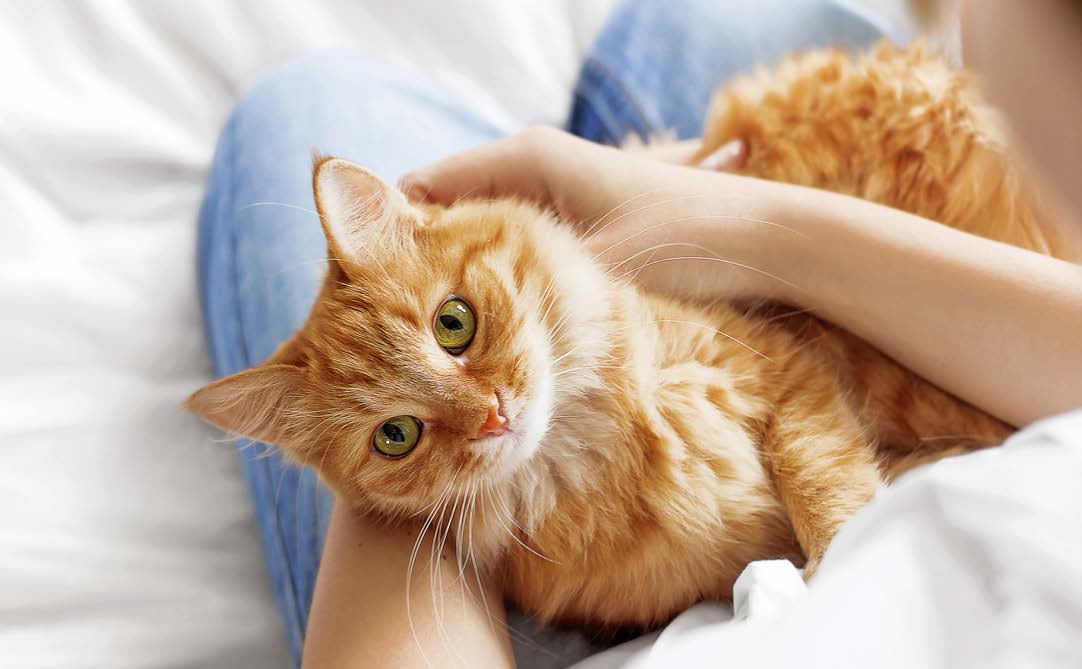
There is no scientific evidence proving that orange cats are more intelligent than other cats. However, researchers point out that intelligence is often perceived through behavior. A cat that is curious, interactive, and expressive may appear “smarter” simply because it engages more frequently with humans.
Orange cats are often highly expressive—using body language, vocalizations, and facial cues that humans easily interpret. This strong communication style may contribute to their “special” reputation.
The Power of Human Perception
Scientists also emphasize the role of confirmation bias. Because orange cats are culturally portrayed as funny, chaotic, or lovable—especially in memes—owners may subconsciously interpret their behavior through that lens.
Once a stereotype exists, people are more likely to notice behaviors that confirm it and ignore those that do not.
What Researchers Actually Agree On
Most experts agree on one key conclusion:
Orange cats are not magically different—but their genetics, combined with population patterns and human perception, make them feel special.
In other words, orange cats are a perfect storm of biology, behavior, and cultural storytelling.
Why This Research Matters
Understanding how genetics influence behavior helps scientists better study animal cognition, welfare, and human–animal relationships. It also reminds pet owners that every cat is an individual, regardless of color.
Whether orange, black, gray, or calico, a cat’s personality is shaped by a complex mix of genes, environment, and experience.
Final Thoughts
So, are orange cats truly special?
Science suggests they might be—just not in the mythical way the internet imagines.
What makes them special is the fascinating intersection of genetics, behavior, and the stories humans tell about them. And perhaps that’s what makes orange cats so unforgettable.