Birds Lose Friends as They Age — And It Turns Out Humans Aren’t So Different
As people grow older, many notice a subtle but meaningful change in their social lives. Friend groups shrink, social circles become smaller, and relationships feel more selective. While this phenomenon has long been studied in humans, recent scientific research suggests that we are far from alone in this experience. According to a growing body of evidence, birds also tend to have fewer social connections as they age — a pattern strikingly similar to what we see in people.

This discovery offers fascinating insights into animal behavior, aging, and the universal nature of social relationships across species.
The Study That Sparked the Conversation
Researchers studying social behavior in birds observed long-term patterns within flocks, tracking how individual birds interacted over time. By analyzing years of data, scientists found a consistent trend: younger birds typically formed many social bonds, interacting frequently with numerous individuals. As birds aged, however, their number of regular social connections declined.
Importantly, this change was not random or caused by isolation. Instead, older birds appeared to become more selective, maintaining fewer but stronger social relationships.
This mirrors a well-documented human phenomenon known as “social selectivity,” where aging individuals prioritize emotionally meaningful relationships over casual or numerous connections.
Why Do Birds Have Fewer Friends as They Age?
Several factors help explain this behavior:
1. Energy Conservation
Social interaction requires energy. For birds, maintaining large social networks can mean more movement, competition, and exposure to conflict. As birds age, conserving energy becomes increasingly important for survival.
2. Experience and Familiarity
Older birds often know which relationships are beneficial. They rely on trusted companions rather than constantly forming new bonds. This familiarity reduces stress and increases predictability in social interactions.
3. Reduced Need for Social Exploration
Young birds are still learning about their environment, hierarchy, and potential mates. This encourages broader social exploration. Older birds, having already established their place within the group, no longer need to engage as widely.
Aging and Social Behavior: A Universal Pattern?
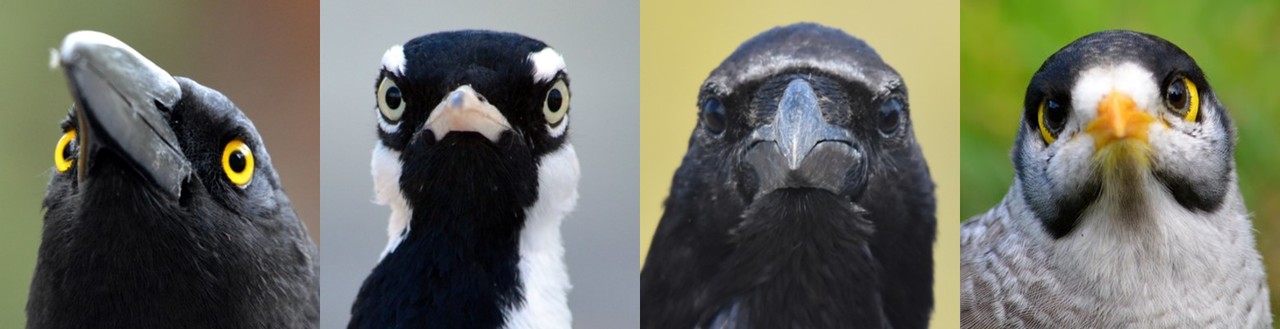
What makes this discovery so compelling is how closely it parallels human behavior. Studies in psychology and sociology consistently show that humans tend to reduce their social circles as they age. This is not necessarily a sign of loneliness or social decline, but rather a strategic shift toward meaningful connections.
The similarity between birds and humans suggests that this pattern may be deeply rooted in biology rather than culture alone. Aging may naturally guide social beings toward quality over quantity in relationships.
Social Selectivity: Not Loneliness, But Choice
One common misconception is that fewer friends automatically mean loneliness. In both birds and humans, this is often not the case.
Older birds observed in the study were not socially isolated. Instead, they maintained consistent interaction with a smaller group of familiar individuals. Similarly, older humans often report higher satisfaction with fewer, deeper relationships compared to larger but less meaningful social networks earlier in life.
This challenges modern assumptions that social success is measured by the number of connections rather than their depth.
What This Means for Understanding Animal Intelligence

The findings also contribute to a growing understanding of animal cognition and emotional complexity. Birds are increasingly recognized as highly intelligent creatures capable of memory, emotional attachment, and social awareness.
Their ability to adjust social behavior based on age suggests a level of adaptive decision-making that was once thought to be uniquely human.
Implications Beyond Birds
Understanding how aging affects social behavior in animals can influence several fields:
-
Conservation biology: Managing social species requires awareness of age-related behavioral changes.
-
Animal welfare: Captive environments can be designed to respect natural social preferences.
-
Human psychology: Observing similar patterns in animals helps normalize social changes associated with aging.
Rethinking Aging and Friendship
Rather than viewing shrinking social circles as a loss, this research encourages a more compassionate perspective. Aging does not necessarily mean becoming less social — it often means becoming more intentional.
Birds, like people, appear to value stability, trust, and emotional efficiency as they grow older. In this way, fewer friends may actually reflect wisdom rather than decline.
Conclusion
The idea that birds lose friends as they age may sound surprising at first, but it ultimately reveals something deeply familiar. Across species, aging brings change — not just physically, but socially and emotionally as well.
As science continues to uncover parallels between human and animal behavior, one message becomes clear: the way we navigate relationships over time may be more universal than we ever imagined.
Sometimes, having fewer friends doesn’t mean we’ve lost something — it means we’ve learned what truly matters.