We Are the Last Generation That Will See Fireflies
On warm summer nights, fireflies once filled the air with tiny flashes of yellow-green light. For generations, these glowing insects were a symbol of childhood, wonder, and the quiet magic of nature. But today, scientists warn that we may be the last generation to witness fireflies in the wild.
Across the world, firefly populations are declining at alarming rates. In some regions, they have already disappeared entirely. What was once a common sight is now becoming a rare memory.
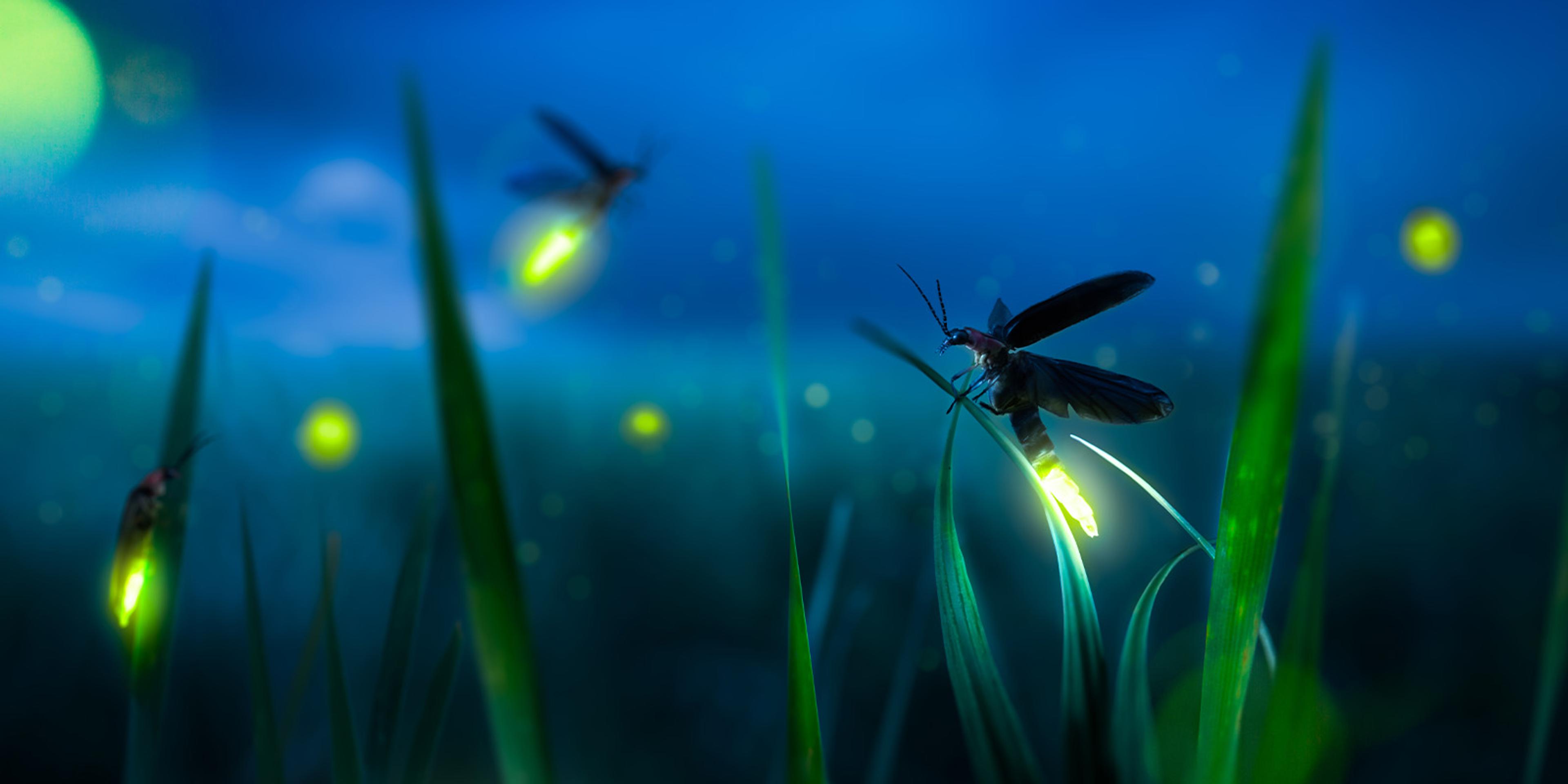
Why Are Fireflies Disappearing?
Fireflies are far more sensitive than they appear. Their survival depends on a delicate balance of environmental conditions, many of which are rapidly vanishing.
1. Habitat Loss
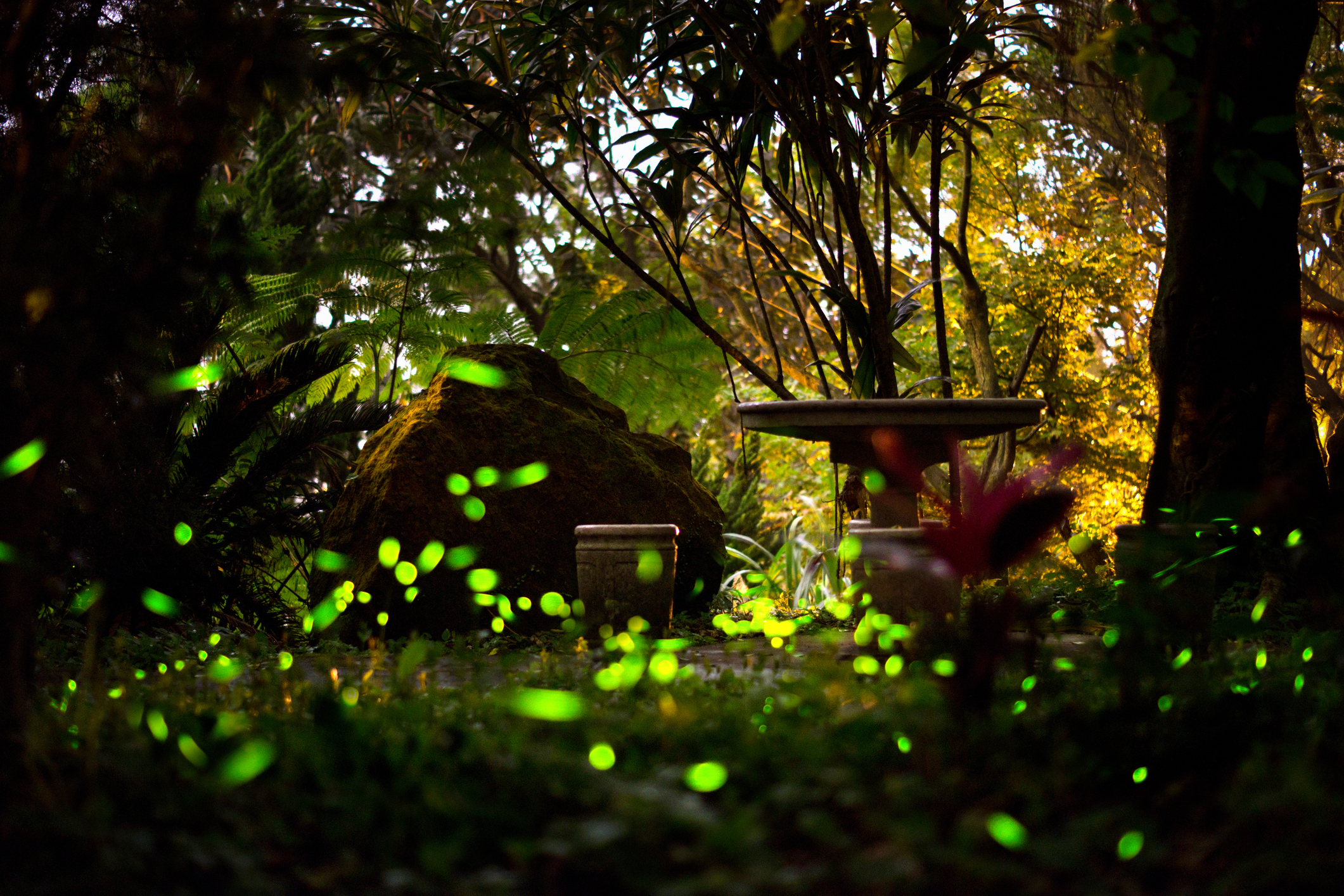
Fireflies rely on wetlands, forests, and grassy areas with clean soil and water. Urban expansion, deforestation, and agricultural development are destroying these habitats faster than they can recover.
2. Light Pollution
Artificial lighting is one of the biggest threats to fireflies. Streetlights, buildings, and vehicle headlights interfere with their ability to communicate. Fireflies use their light signals to attract mates, and excessive light makes this nearly impossible.
3. Pesticides and Chemicals
Firefly larvae live in soil for months or even years before becoming adults. Pesticides used in farming and landscaping poison the soil, killing larvae before they ever have a chance to glow.
4. Climate Change
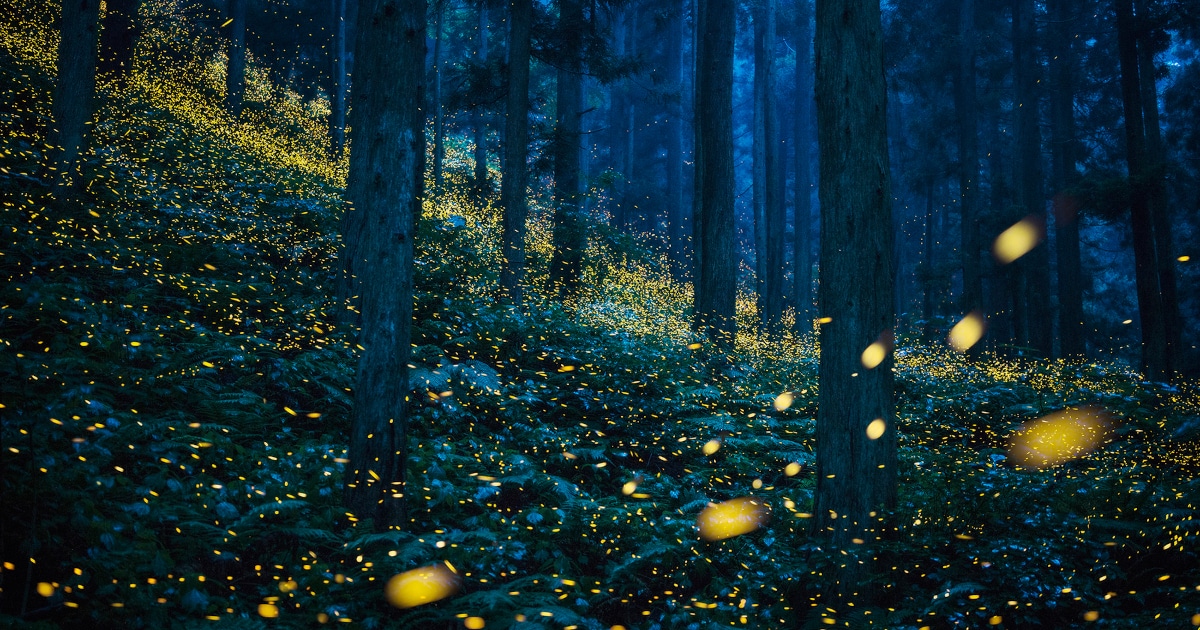
Rising temperatures, altered rainfall patterns, and extreme weather events disrupt firefly life cycles. Even small environmental changes can drastically affect their survival.
Why Fireflies Matter More Than You Think
Fireflies are not just beautiful—they are important indicators of environmental health. When fireflies disappear, it often signals deeper ecological problems affecting soil quality, water systems, and biodiversity.
Their decline reflects the broader loss of insects worldwide, which threatens food chains and ecosystems humans depend on.
A Vanishing Childhood Memory
For many adults, fireflies are tied to memories of carefree evenings, chasing glowing lights through tall grass. For children growing up today, those experiences are becoming increasingly rare.
In some places, children have never seen a firefly outside of a screen or a book.
Is It Too Late to Save Them?
Not necessarily—but time is running out.
Scientists say firefly populations can recover if we act quickly:
-
Reducing unnecessary outdoor lighting
-
Preserving natural habitats
-
Avoiding chemical pesticides
-
Supporting conservation efforts
Even small actions, like turning off garden lights at night, can make a difference.
What Their Disappearance Says About Us
The decline of fireflies is not just an environmental issue—it’s a reflection of how modern life has distanced us from nature. Convenience, development, and artificial light have slowly erased something ancient and fragile.
If fireflies vanish completely, it won’t just be an insect we lose—it will be a symbol of wonder, silence, and connection to the natural world.
The Question We Must Ask
Will future generations know fireflies as living creatures—or only as stories we tell?
Because if we don’t change course soon, we truly may be the last generation that ever sees fireflies.