Cats Have 32 Muscles in Each Ear — And Yes, They Use Them to Ignore You
If you’ve ever called your cat’s name only to be met with complete indifference, science has an explanation — and it’s hidden in their ears.
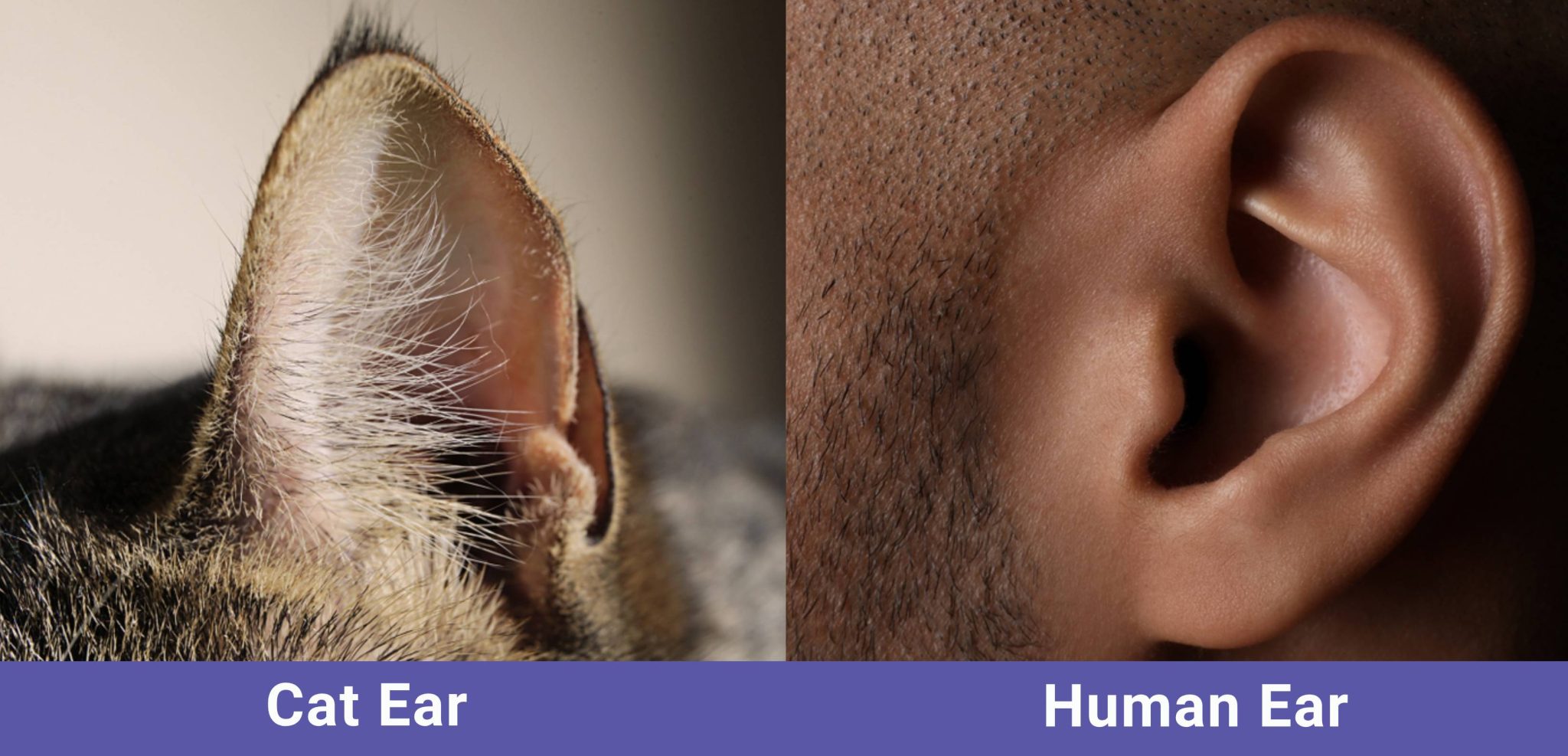
Cats have an astonishing 32 muscles in each ear, giving them incredible control over how, when, and whether they listen to you. While humans can barely wiggle their ears, cats can rotate, flatten, tilt, and pivot theirs independently with surgical precision.
And sometimes, they use this power for one specific purpose: ignoring you.
Why Cat Ears Are So Special
Unlike human ears, cat ears are built for survival. In the wild, detecting the faintest sound can mean the difference between catching prey or becoming prey.
Each ear can rotate up to 180 degrees, allowing cats to:
-
Pinpoint sound sources
-
Track multiple noises at once
-
Focus on one sound while filtering out others
That includes your voice.
The 32 Muscles Explained

Those 32 muscles control:
-
Ear rotation
-
Ear flattening
-
Directional focus
-
Emotional signaling
This muscular system allows cats to move each ear independently, something dogs and humans cannot do as effectively.
So when one ear turns toward a noise and the other doesn’t — your cat did hear you.
Yes, They’re Choosing Not to Respond
Contrary to popular belief, cats are not deaf, dumb, or indifferent.
Studies show cats recognize their owners’ voices just as well as dogs do. The difference? Cats are far more selective in how they respond.
That ear twitch you see?
That’s acknowledgment.
The lack of movement afterward?
That’s a decision.
Cat Ears as Emotional Indicators
A cat’s ears can tell you exactly how they’re feeling:
-
Forward-facing: Curious or alert
-
Sideways: Uncertain or cautious
-
Flattened: Fearful or angry
-
Rapid flicking: Annoyed
Learning to read ear language can help you understand your cat better — and avoid unwanted scratches.
Evolution Made Them This Way

Cats evolved as solitary hunters. Unlike pack animals, they don’t rely on constant communication or obedience.
Their ears developed to prioritize:
-
Survival
-
Hunting efficiency
-
Environmental awareness
Responding to humans was never part of the original design.
Why Dogs Are Different
Dogs evolved alongside humans, learning to interpret commands and seek approval.
Cats evolved around humans, benefiting from proximity without dependency.
That’s why dogs come when called — and cats decide if it’s worth their time.
The Internet’s Favorite Cat Fact
This ear-muscle fact has become popular online because it perfectly explains every cat owner’s experience.
It’s not that your cat ignores you.
It’s that your cat can hear you extremely well and still chooses peace.
How to Get Your Cat’s Attention
If you really want a response:
-
Use higher-pitched sounds
-
Shake treats
-
Make unfamiliar noises
-
Avoid repeating their name endlessly
Cats respond best to novelty, not nagging.

Conclusion
With 32 muscles in each ear, cats possess one of the most advanced auditory systems in the animal kingdom.
They hear you.
They understand you.
They simply don’t always care.
And honestly — that’s part of the charm.