5 Warning Signs of Stroke in Young Adults You Should Never Ignore
For many people, stroke is still considered a disease that only affects the elderly. However, medical experts are now sounding the alarm: strokes are increasingly affecting young adults, sometimes even teenagers. What makes this trend especially dangerous is that many young people dismiss early symptoms, believing they are too young to be at risk.

In recent years, hospitals around the world have reported a growing number of stroke cases in people under 40. Stress, unhealthy lifestyles, smoking, lack of sleep, high blood pressure, and undiagnosed medical conditions all play a role. When a stroke strikes, every minute matters, and recognizing the warning signs can mean the difference between life and death.
Below are five critical warning signs of stroke in young adults that doctors urge everyone to remember.
Stroke Can Happen at Any Age
A stroke occurs when blood flow to the brain is interrupted, either by a blockage (ischemic stroke) or a ruptured blood vessel (hemorrhagic stroke). Without oxygen-rich blood, brain cells begin to die within minutes.
While age is a known risk factor, it is no longer a guarantee of safety. Young adults today are facing unprecedented levels of stress, poor diet choices, sedentary lifestyles, and increased exposure to risk factors such as smoking and substance use. As a result, strokes in younger populations are becoming more common—and often more severe due to delayed treatment.
1. Sudden Weakness or Numbness on One Side of the Body
One of the most recognizable signs of a stroke is sudden weakness, numbness, or paralysis, usually affecting one side of the body. This may involve the face, arm, or leg.
A person experiencing a stroke may notice:
-
Drooping on one side of the face
-
Inability to lift one arm
-
A sudden feeling of heaviness or tingling
This happens because the part of the brain controlling muscle movement is deprived of blood. Even if the symptom seems mild or goes away briefly, it should never be ignored. Immediate medical attention is critical.
2. Difficulty Speaking or Understanding Speech
Another major warning sign is trouble speaking or understanding language. A person may suddenly:
This condition, known as aphasia, occurs when stroke affects language centers in the brain. A simple test is to ask the person to repeat a short sentence. If they cannot do so clearly, call emergency services immediately.
3. Severe and Unusual Headache
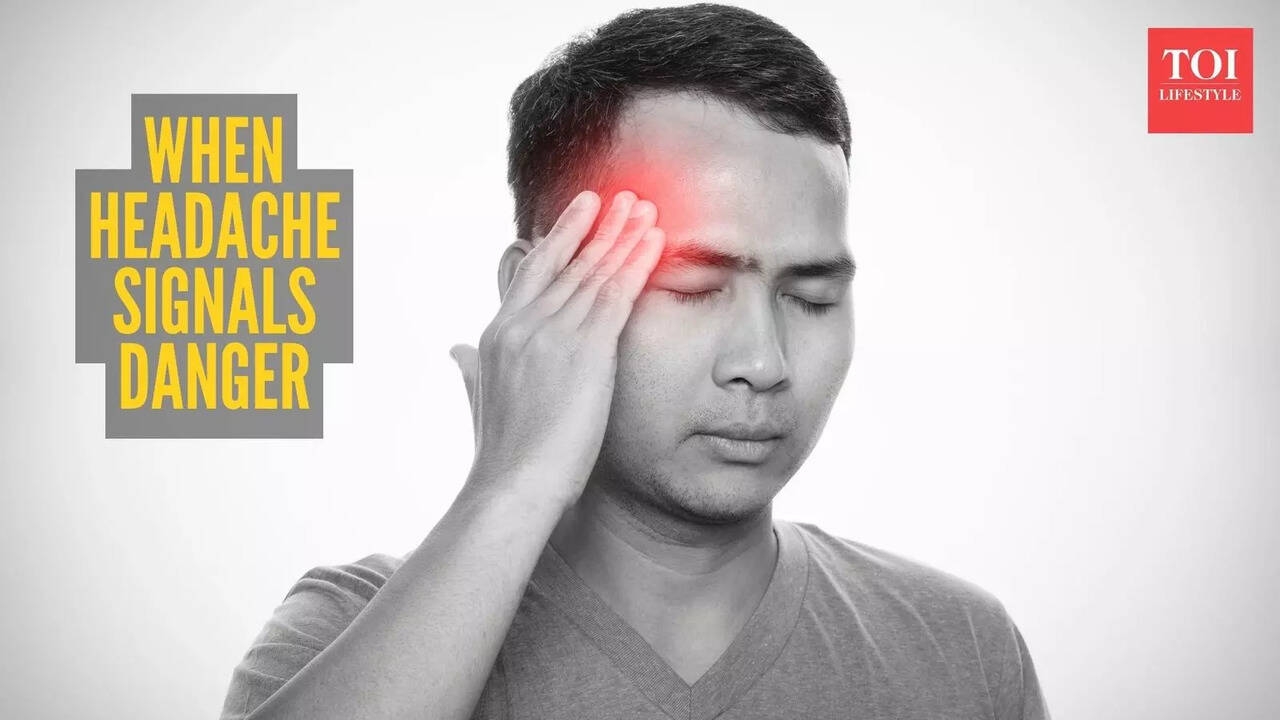
Headaches are common, especially among young adults dealing with stress or migraines. However, a stroke-related headache is different.
Doctors warn that a sudden, severe headache with no clear cause, often described as the “worst headache of your life,” may signal a hemorrhagic stroke. This type of stroke occurs when a blood vessel in the brain ruptures, causing bleeding and increased pressure.
This headache may be accompanied by:
If such a headache appears suddenly, do not wait—seek emergency care immediately.
4. Sudden Vision Problems

Changes in vision are another frequently overlooked warning sign. A stroke may cause:
These symptoms occur when blood flow to the areas of the brain responsible for vision is disrupted. Vision problems can appear suddenly and without pain, making them easy to dismiss. However, any abrupt change in eyesight should be treated as a medical emergency.
5. Dizziness, Loss of Balance, or Coordination Problems
Sudden dizziness, difficulty walking, or loss of coordination can also indicate a stroke—especially when combined with other symptoms.
A person may feel:
-
Unsteady or off-balance
-
Unable to walk straight
-
Confused or disoriented
This happens when a stroke affects the cerebellum or brainstem, areas responsible for balance and coordination. If dizziness appears out of nowhere and does not improve quickly, it should raise serious concern.
Remember the FAST Rule

Doctors recommend remembering the FAST rule to quickly identify a possible stroke:
-
F – Face: Ask the person to smile. Does one side droop?
-
A – Arms: Ask them to raise both arms. Does one drift downward?
-
S – Speech: Ask them to repeat a simple sentence. Is it slurred or strange?
-
T – Time: If you notice any of these signs, time is critical—call emergency services immediately.
Why Young Adults Often Ignore Stroke Symptoms
One of the biggest dangers for young people is denial. Many assume stroke is impossible at their age and mistake symptoms for fatigue, stress, dehydration, or migraines. Unfortunately, this delay in seeking care can result in permanent brain damage or death.
Medical professionals stress that early treatment dramatically improves outcomes. Modern stroke treatments can restore blood flow and reduce long-term disability—but only if given quickly.
What to Do If You Suspect a Stroke
If you or someone near you shows signs of a stroke:
-
Call emergency services immediately
-
Do not let the person drive themselves to the hospital
-
Note the time symptoms began
-
Stay with the person until help arrives
Every minute counts. Brain cells die rapidly during a stroke, and delays can lead to irreversible damage.
Final Thoughts
Strokes are no longer a condition limited to older adults. Young people are increasingly at risk, and awareness is the first line of defense. Recognizing these five dangerous warning signs—weakness, speech difficulty, severe headache, vision changes, and loss of balance—can save a life.
If something feels wrong, trust your instincts. Acting quickly could mean the difference between recovery and lifelong consequences.