How Long Can Cooking Oil Be Used After Opening?
Warning: The Hidden Dangers of Consuming Expired Oil
Cooking oil is a staple in almost every household. From frying and sautéing to baking and salad dressings, it plays an essential role in daily cooking. However, many people are unaware that cooking oil does not last forever, especially after the bottle has been opened.
Using expired or spoiled cooking oil can pose serious health risks. The changes that occur in oil over time are often invisible, making it easy to continue using oil long after it has gone bad. Understanding how long cooking oil can be safely used after opening—and knowing when it should be discarded—can help protect your health and your family’s well-being.
Does Cooking Oil Expire After Opening?
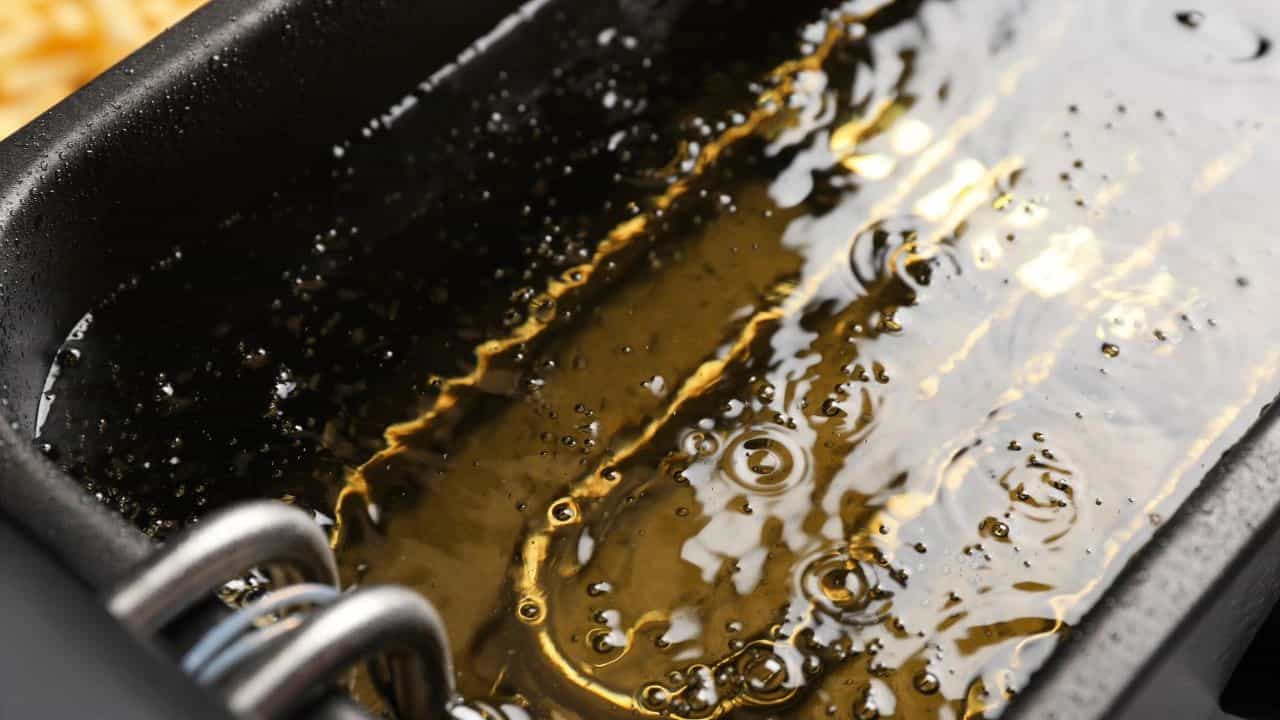
Yes, cooking oil does expire, and opening the bottle significantly accelerates the process.
Once oil is exposed to air, light, and heat, it begins to undergo oxidation. This chemical reaction breaks down healthy fats and produces harmful compounds. Even if the oil looks normal, its nutritional value and safety may already be compromised.
Most manufacturers list a “best before” date on the bottle, but this date often applies to unopened oil. After opening, the shelf life becomes much shorter.
How Long Different Cooking Oils Last After Opening

The lifespan of cooking oil depends largely on the type of oil and how it is stored.
Vegetable Oil, Canola Oil, Soybean Oil
-
After opening: 6–12 months
-
These refined oils are relatively stable but still degrade over time, especially when exposed to heat and air.
Olive Oil
Sunflower Oil, Corn Oil
Coconut Oil
-
After opening: 12–24 months
-
More stable due to high saturated fat content, but still susceptible to spoilage.
Sesame Oil
These timeframes assume the oil is stored correctly. Poor storage can significantly shorten its usable life.
Signs That Cooking Oil Has Gone Bad
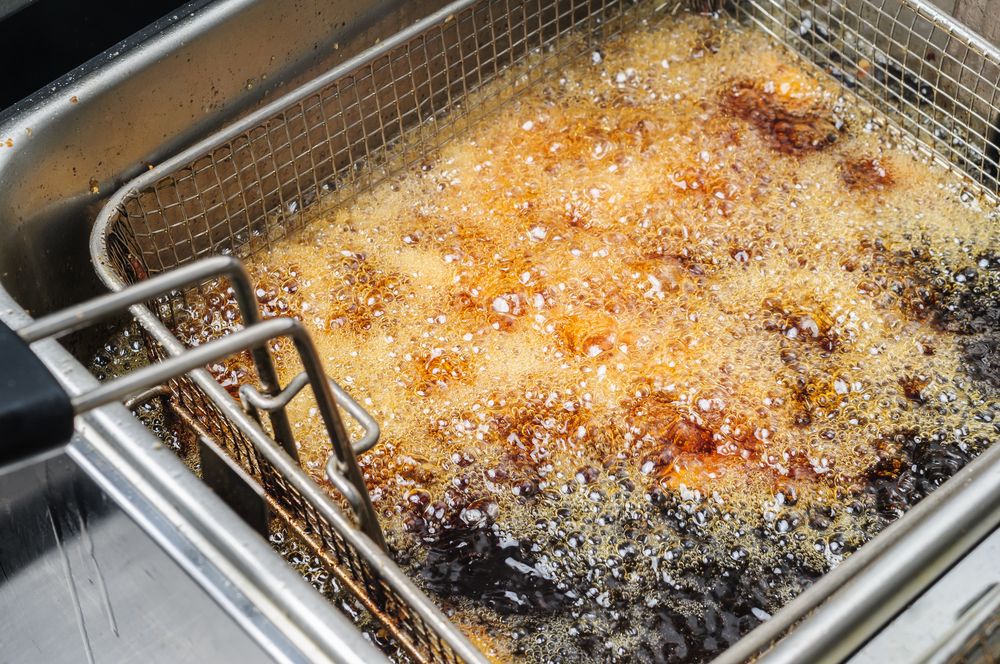
Spoiled cooking oil does not always look obviously bad. However, there are several warning signs you should never ignore:
1. Unpleasant Smell
Fresh oil has a neutral or mild aroma. If it smells sour, musty, metallic, or like crayons or paint, it has oxidized.
2. Bitter or Sharp Taste
A small taste test (without swallowing) can reveal bitterness or a sharp, unpleasant flavor—clear indicators of rancidity.
3. Dark or Cloudy Appearance
Some oils naturally cloud when cold, but persistent cloudiness or unusual darkening may indicate spoilage.
4. Sticky or Thick Texture
Oxidized oil may feel sticky or unusually thick due to chemical breakdown.
If you notice any of these signs, the oil should be discarded immediately.
Why Expired Cooking Oil Is Dangerous
Many people assume that expired oil is harmless if it doesn’t cause immediate stomach pain. Unfortunately, the risks are often long-term and invisible.
1. Formation of Toxic Compounds
As oil degrades, it produces aldehydes and free radicals, which are harmful to cells and organs.
2. Increased Inflammation
Oxidized fats contribute to chronic inflammation, which is linked to heart disease, diabetes, and autoimmune conditions.
3. Digestive Issues
Consuming rancid oil may cause nausea, bloating, diarrhea, and abdominal discomfort.
4. Increased Risk of Chronic Disease
Long-term consumption of degraded oils has been associated with increased risk of cardiovascular disease and certain cancers.
5. Reduced Nutritional Value
Healthy fats and antioxidants are destroyed as oil oxidizes, turning a once-beneficial ingredient into a harmful one.
The Danger of Reusing Cooking Oil
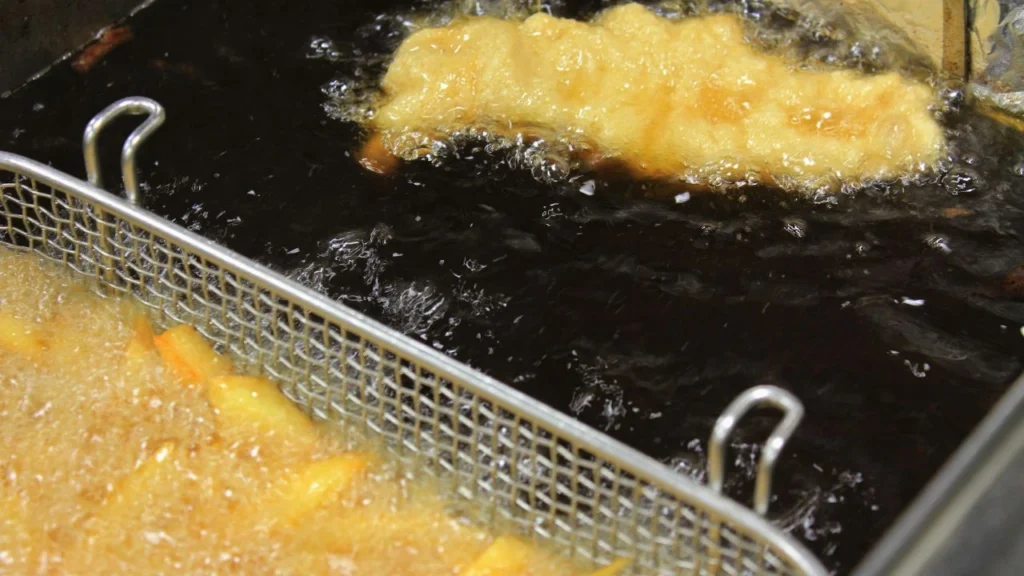
Reusing oil—especially frying oil—is another common but risky habit.
Each time oil is heated:
Reused oil becomes darker, thicker, and more harmful with each cycle. Reheating oil multiple times significantly increases the production of carcinogenic compounds.
If you must reuse oil:
-
Do not reuse it more than once or twice
-
Strain out food particles
-
Store it in a sealed container away from heat and light
However, for health reasons, frequent reuse is strongly discouraged.
How to Store Cooking Oil Properly
Proper storage can greatly extend the life of cooking oil:
-
Keep oil in a cool, dark place
-
Close the lid tightly after each use
-
Avoid storing oil near the stove or oven
-
Use opaque or dark glass bottles when possible
-
Do not transfer oil into open containers
Refrigeration can help preserve some oils, such as olive oil, though it may cause cloudiness (which is harmless and reversible).
Common Myths About Cooking Oil Expiration
“If it smells okay, it’s safe”
Not always. Some harmful compounds do not produce strong odors.
“Heating kills the toxins”
False. Heating actually creates more toxic compounds in spoiled oil.
“Vegetable oil lasts forever”
No oil lasts indefinitely. All oils degrade over time.
When Should You Throw Cooking Oil Away?
You should discard cooking oil if:
When in doubt, throw it out. The cost of replacing oil is far lower than the potential health consequences.
Final Thoughts
Cooking oil is an essential ingredient, but it requires careful handling. Using oil beyond its safe lifespan—especially after opening—can expose you to harmful toxins and long-term health risks.
By understanding how long cooking oil lasts, recognizing the signs of spoilage, and storing it properly, you can protect your health and improve the quality of your meals.