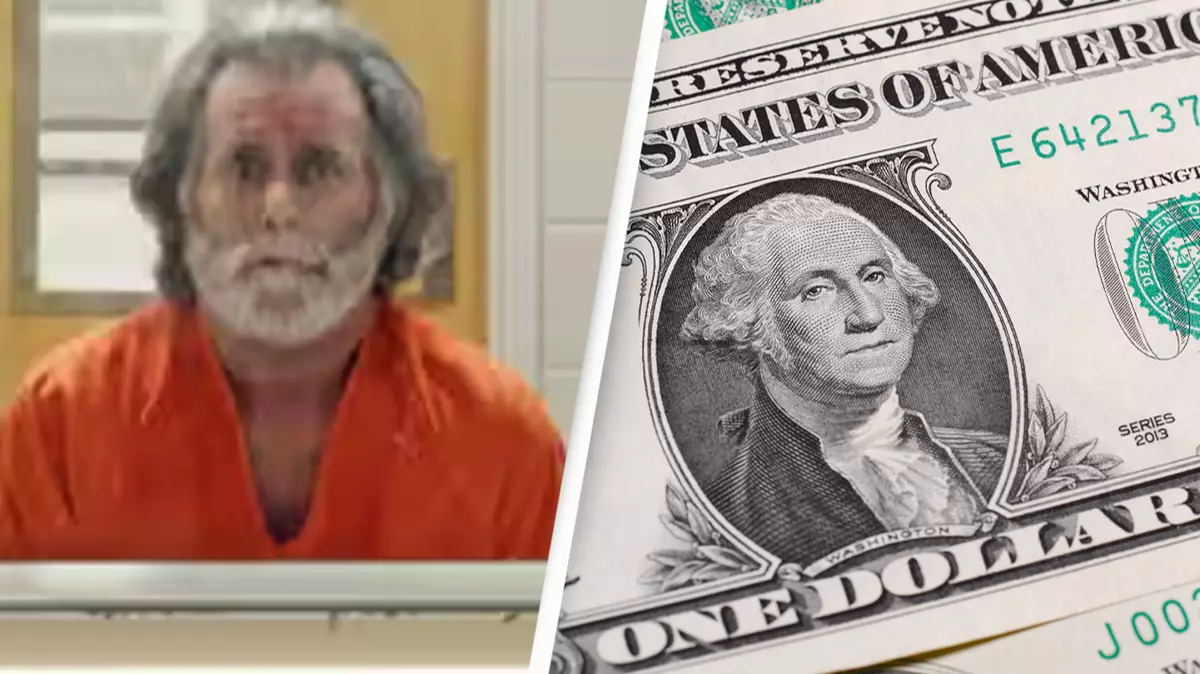
Unemployed Man Robs Bank for $1 Just to Receive Medical Care in Jail
In a shocking and heartbreaking incident, an unemployed man robbed a bank for just one dollar — not out of greed, but desperation.
His motive was simple and tragic: he needed medical care he could not afford, and jail was the only place he believed he could receive treatment.

A Crime Driven by Desperation
According to reports, the man entered the bank calmly, demanded a single dollar, and waited to be arrested.
There was no attempt to flee, no violence, and no resistance. His intention was never to escape — it was to survive.
Why Only One Dollar?
By stealing such a small amount, the man ensured:
For him, incarceration was not punishment — it was a last resort.
The Cost of Healthcare Crisis
This story highlights a harsh reality faced by many unemployed and uninsured individuals.
Without access to affordable healthcare, people are often forced to choose between:
Medical Care Behind Bars
Ironically, prisoners are legally entitled to basic medical care while incarcerated.
For some vulnerable individuals, jail becomes the only place where:
This reality raises uncomfortable questions about society’s priorities.
A System That Failed Before the Crime
Before committing the crime, the man reportedly struggled with:
-
Unemployment
-
Lack of health insurance
-
Ongoing medical issues
His arrest was not the beginning of his suffering — it was the consequence of long-term systemic failure.
Public Reaction: Sympathy or Condemnation?

The story sparked intense debate online.
Some expressed outrage:
Others felt conflicted:
The incident forces society to confront uncomfortable truths.
When Jail Feels Safer Than Freedom
For most people, jail represents fear and loss.
But for some, especially those without resources, it can represent:
-
Shelter
-
Food
-
Medical attention
-
Temporary stability
This inversion of values is deeply troubling.
Experts Weigh In

Social workers and healthcare advocates argue that stories like this are not isolated cases.
They point to:
-
Rising healthcare costs
-
Growing unemployment
-
Insufficient safety nets
When basic care is inaccessible, desperation fills the gap.
A Crime That Became a Cry for Help
This was not a robbery motivated by profit.
It was a plea for survival — a man asking for help in the only way he believed would work.
What This Story Teaches Us
This incident is a reminder that:
-
Crime is sometimes a symptom, not the cause
-
Healthcare access is a human issue, not just an economic one
-
Compassion and prevention are cheaper than punishment
Conclusion
An unemployed man robbing a bank for just one dollar may sound absurd — until you understand why he did it.
This story is not about theft.
It is about desperation, broken systems, and the cost of neglecting basic human needs.