The Real-Life Return of the Blue Macaws That Inspired ‘Rio’: A Conservation Story 20 Years in the Making
For millions of viewers around the world, the animated movie Rio introduced a vibrant blue bird with a big personality and an even bigger story. What many people didn’t realize is that the film was inspired by a real species — Spix’s macaw, one of the rarest birds on Earth.
After disappearing from the wild more than two decades ago, these iconic blue macaws have now returned to Brazil’s skies through a carefully managed conservation program. Their reintroduction represents a historic milestone in wildlife preservation — and a fragile second chance for a species once declared extinct in the wild.
Who Are Spix’s Macaws?
Spix’s macaws (Cyanopsitta spixii) are small blue parrots native to northeastern Brazil. Known for their soft blue feathers and gentle temperament, they once thrived along riverine forests of the Caatinga biome.
By the early 2000s, however, habitat destruction and illegal wildlife trade pushed the species to the brink of extinction.
In 2000, the last known wild Spix’s macaw disappeared.
From the Wild to Captivity
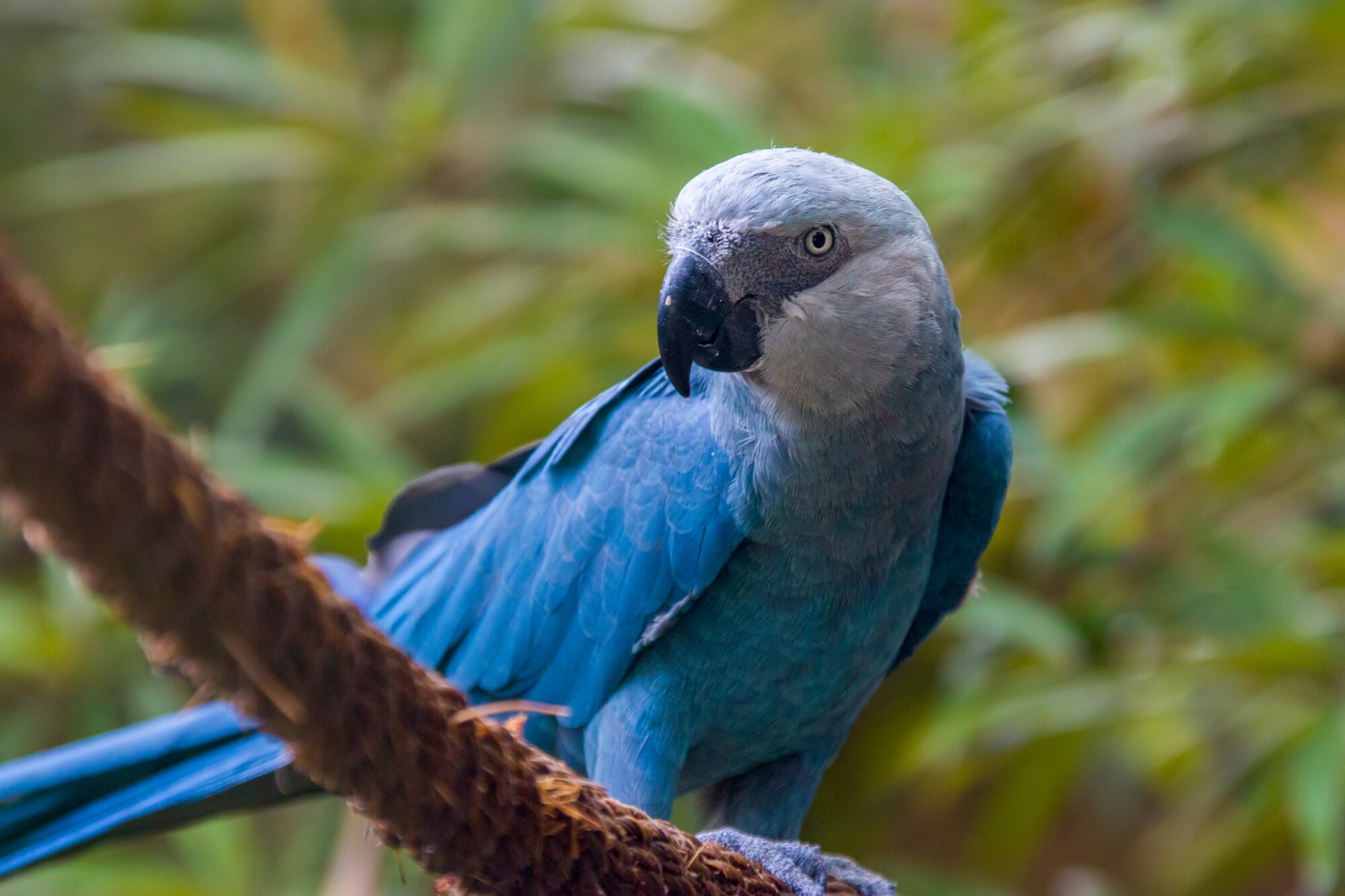
With no confirmed wild population remaining, the survival of the species depended entirely on captive breeding programs.
Conservationists around the world collaborated to:
-
Protect remaining captive birds
-
Carefully manage genetic diversity
-
Develop long-term reintroduction plans
This process took years of research, funding, and international cooperation.
The Influence of the Movie ‘Rio’
When Rio was released, it brought global attention to the plight of Spix’s macaws. While fictionalized, the story helped raise awareness and public interest in real-world conservation efforts.
Ironically, while audiences watched a blue macaw return home on screen, the real birds were still waiting for their chance.
The Reintroduction Program
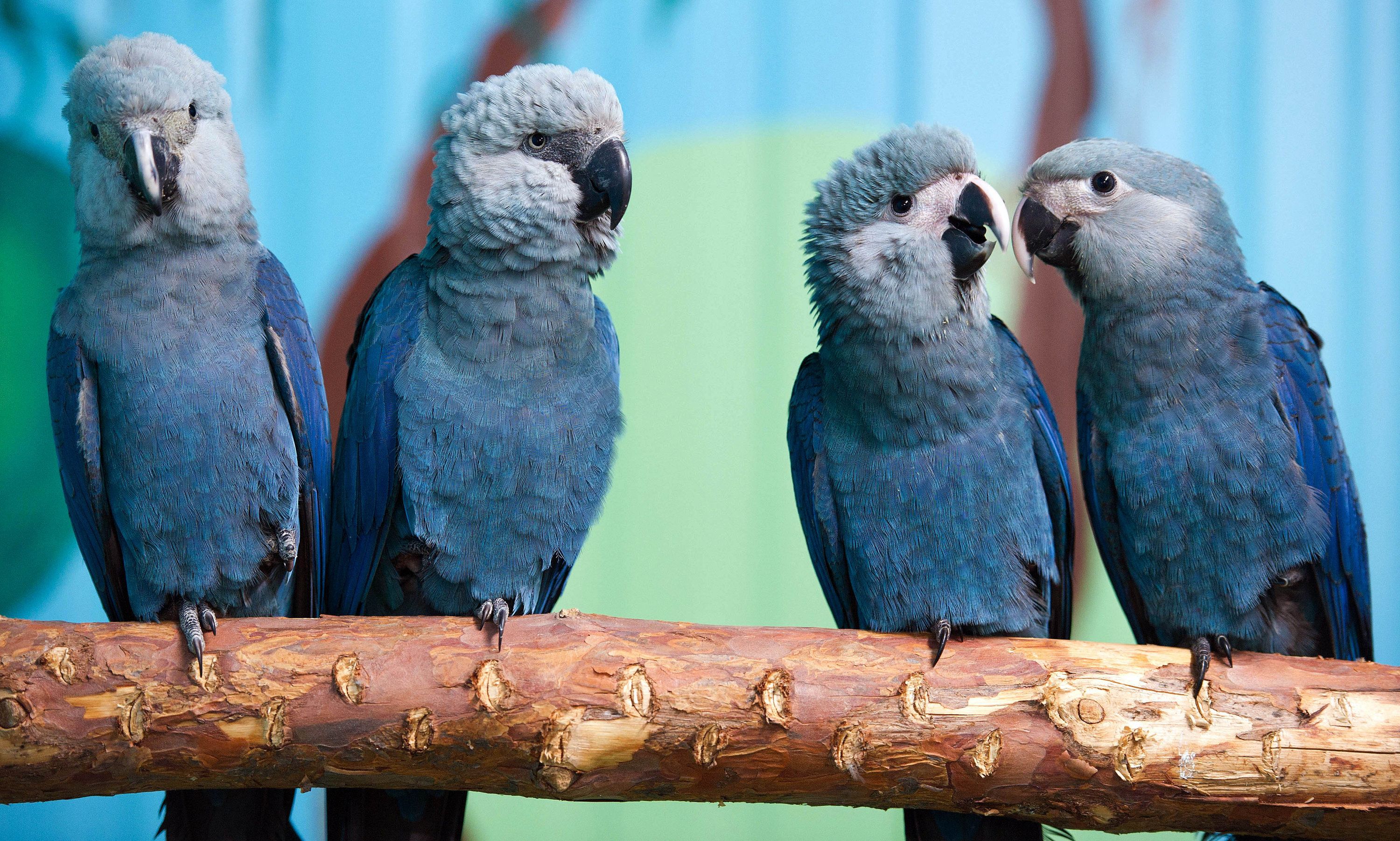
After extensive preparation, conservationists began releasing captive-bred Spix’s macaws back into protected areas of Brazil.
The process included:
-
Gradual acclimatization to the wild
-
Predator awareness training
-
Health and disease monitoring
-
GPS tracking and constant observation
Each bird’s survival mattered.
Challenges in the Wild
Despite the success of the release, the road ahead remains difficult.
Spix’s macaws still face:
-
Limited natural habitat
-
Risk of disease
-
Predators they’ve never encountered
-
Climate-related challenges
Experts continue to monitor the birds closely, intervening only when absolutely necessary.
Why This Is a Major Conservation Milestone
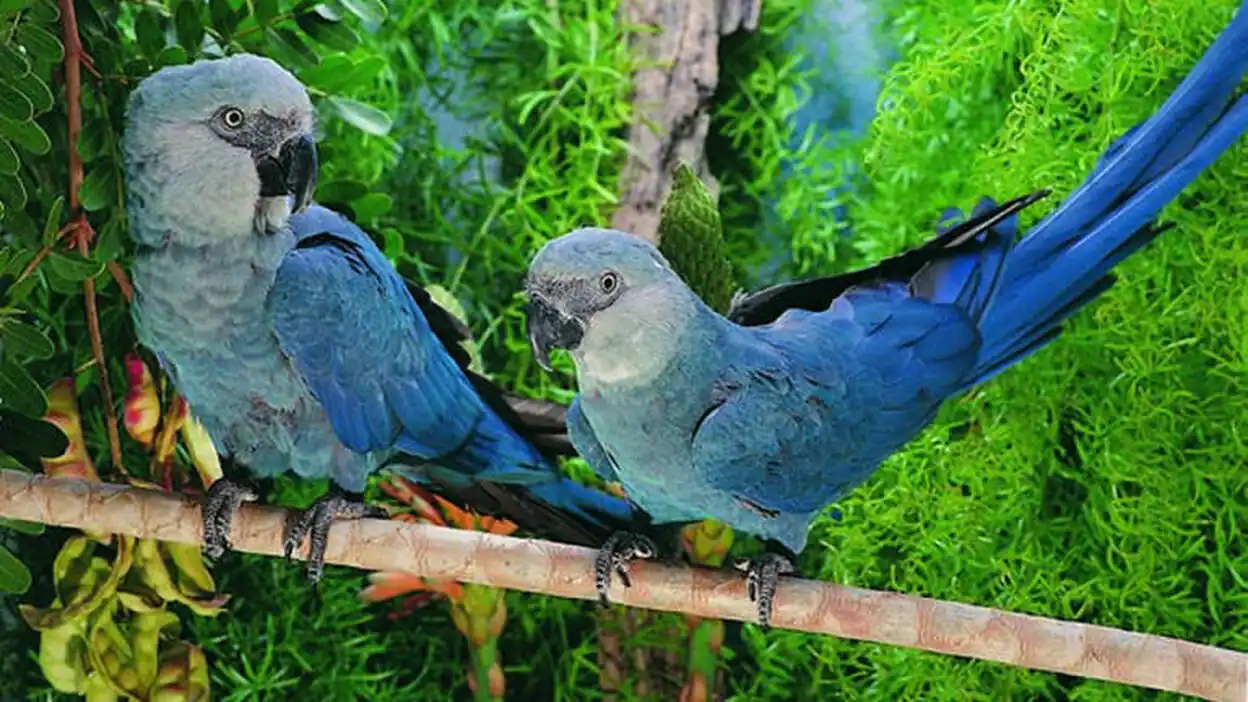
Reintroducing a species extinct in the wild is one of conservation’s greatest challenges. The return of Spix’s macaws proves that:
-
Long-term conservation works
-
Captive breeding can succeed
-
Collaboration across borders matters
However, success will only be complete when the birds form a self-sustaining wild population.
Hope, Caution, and the Future
While the return of these blue macaws is a symbol of hope, conservationists remain cautious. A single disease outbreak or habitat disruption could undo years of effort.
Protecting the environment they depend on is just as critical as protecting the birds themselves.
Conclusion
The blue macaws that inspired Rio are no longer just animated heroes — they are living symbols of resilience, patience, and human responsibility.
Their return to the wild after 20 years is not the end of the story, but the beginning of a new chapter — one written carefully, watchfully, and with hope.