
Lo empujaron fuera del funeral… sin saber que él cumplía la última promesa del difunto
La lluvia caía sobre el cementerio como si el cielo también estuviera de luto. Frente a la capilla principal, una…
13/07/2026 14:48
Waking up with a dry mouth in the middle of the night or in the morning is a common complaint. Many people dismiss it as dehydration or sleeping with their mouth open. However, persistent dry mouth at night, medically known as xerostomia, may be a sign of underlying health issues that deserve attention.
Saliva plays a critical role in oral health, digestion, and overall well-being. When saliva production decreases during sleep, it can lead to discomfort, bad breath, dental problems, and even systemic health concerns.
Below are eight common reasons why your mouth feels dry when sleeping at night, along with explanations of when you should take action.

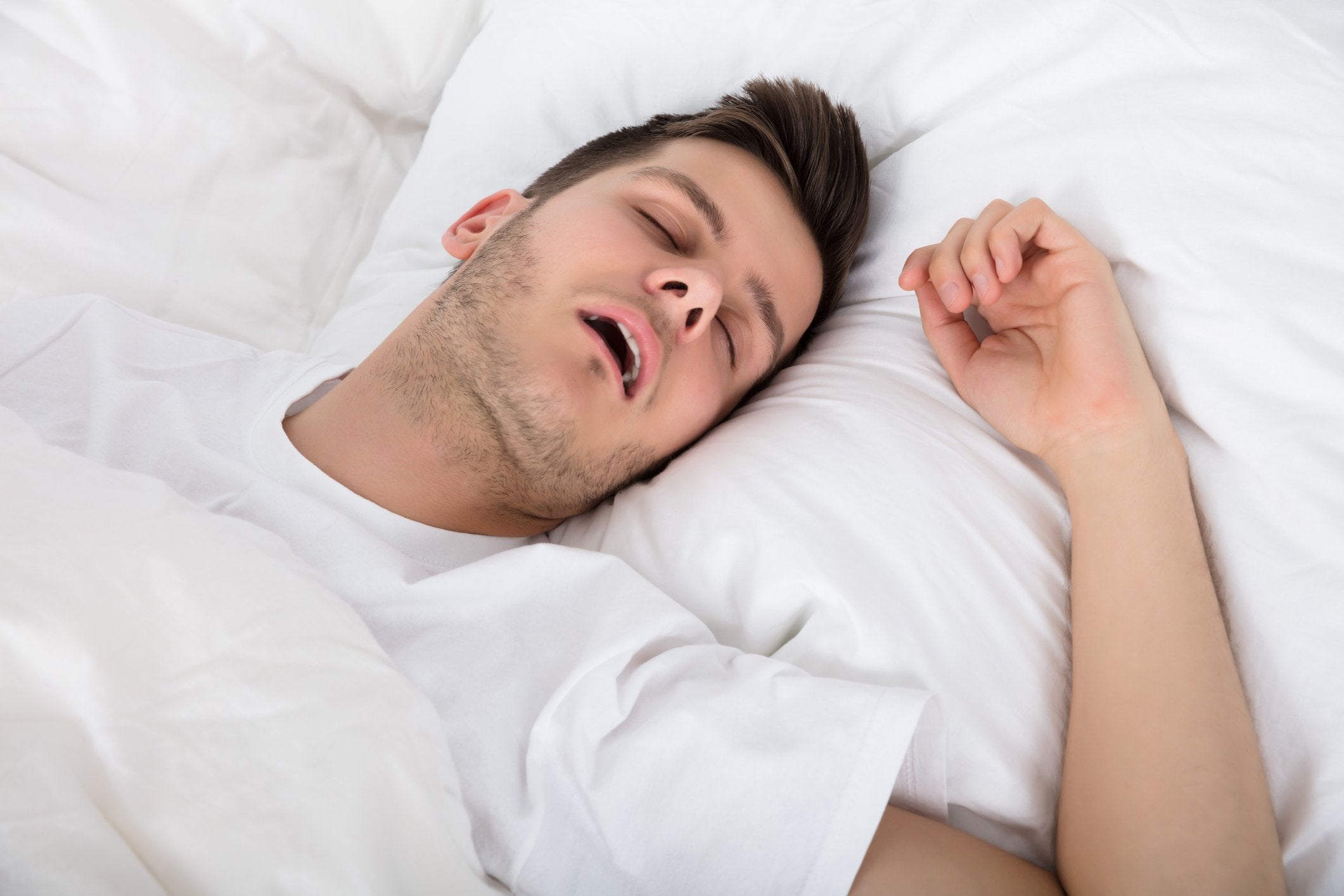
One of the most common causes of dry mouth at night is mouth breathing during sleep.
People often sleep with their mouths open due to:
Nasal congestion
Allergies
Deviated septum
Poor sleeping posture
When you breathe through your mouth, air continuously dries out oral tissues, reducing saliva moisture. Over time, this can cause sore throat, cracked lips, and increased risk of cavities.
Insufficient fluid intake during the day can significantly reduce saliva production at night.
Signs of dehydration include:
Dark-colored urine
Fatigue
Headaches
Dry skin and lips
Alcohol and caffeine consumption before bedtime can worsen dehydration, making dry mouth more noticeable while sleeping.
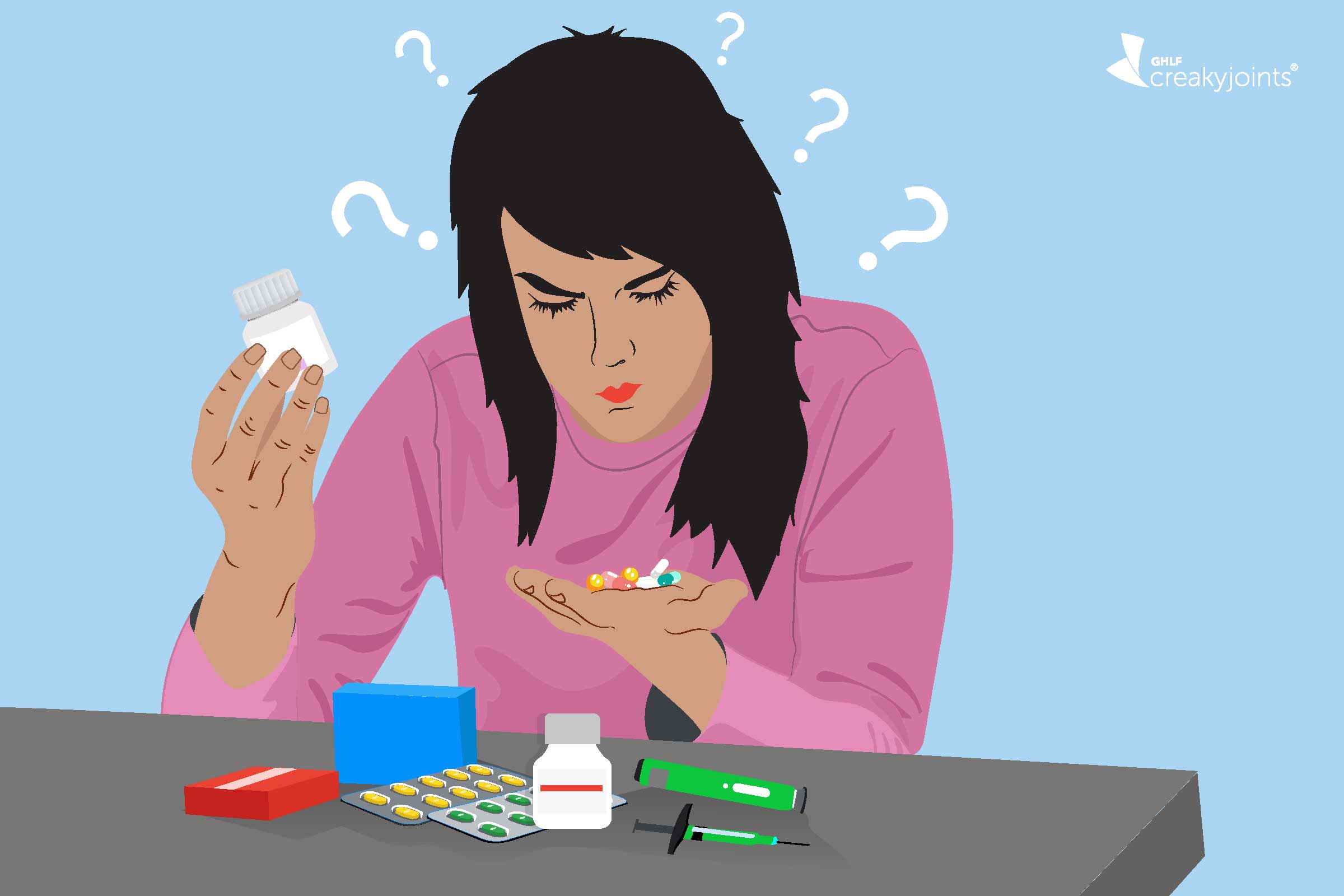
Dry mouth is a well-known side effect of many prescription and over-the-counter medications, including:
Antidepressants
Antihistamines
Blood pressure medications
Diuretics
Pain relievers
These medications may interfere with salivary gland function, especially during sleep when saliva production naturally decreases.
If dry mouth begins after starting a new medication, consult your healthcare provider.
Obstructive sleep apnea is a serious sleep disorder characterized by repeated pauses in breathing during sleep.
Common symptoms include:
Loud snoring
Gasping for air at night
Excessive daytime sleepiness
Morning headaches
Dry mouth upon waking
People with sleep apnea often breathe through their mouths at night, leading to chronic dryness. Untreated sleep apnea increases the risk of heart disease, stroke, and diabetes.
Gastroesophageal reflux disease (GERD) can also contribute to dry mouth at night.
When stomach acid flows back into the esophagus, it may:
Irritate the throat
Cause a burning sensation
Reduce saliva production
Trigger a sour or bitter taste
GERD symptoms often worsen at night when lying down, making dry mouth more noticeable during sleep.
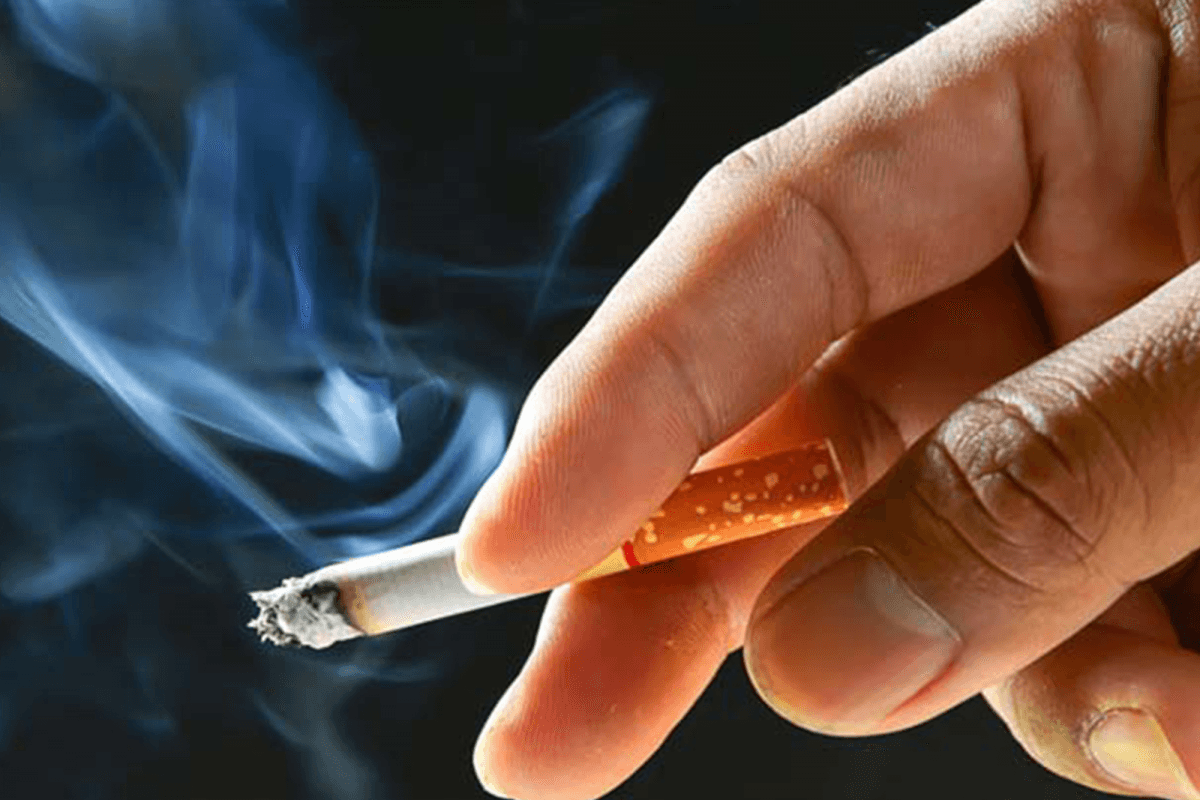
Smoking reduces saliva flow and irritates the oral tissues.
Tobacco use can:
Damage salivary glands
Increase mouth breathing
Worsen dehydration
Raise the risk of gum disease and oral infections
Smokers are significantly more likely to experience dry mouth at night compared to non-smokers.
Stress and anxiety can affect the nervous system, which controls saliva production.
People experiencing high stress may notice:
Clenched jaw or teeth grinding at night
Shallow breathing
Increased mouth breathing
Dry mouth during sleep or upon waking
Chronic anxiety can disrupt sleep quality and worsen dry mouth symptoms over time.
Persistent dry mouth may be a symptom of underlying health conditions, including:
Diabetes
Sjögren’s syndrome
Thyroid disorders
Autoimmune diseases
Nerve damage
In these cases, dry mouth often appears alongside other symptoms such as fatigue, frequent urination, joint pain, or unexplained weight changes.

Saliva protects teeth and gums by:
Neutralizing acids
Preventing bacterial overgrowth
Aiding digestion
Protecting oral tissues
Chronic dry mouth increases the risk of:
Tooth decay
Gum disease
Oral infections
Bad breath
Difficulty swallowing
Ignoring the symptom may allow underlying health problems to progress unnoticed.
You should seek medical advice if:
Dry mouth persists for several weeks
You wake up every night with severe dryness
You experience difficulty swallowing or speaking
You have frequent cavities or mouth sores
Dry mouth occurs with fatigue, dizziness, or snoring
A healthcare provider can determine whether the cause is lifestyle-related or medical.
Simple lifestyle changes may help relieve symptoms:
Drink enough water throughout the day
Avoid alcohol and caffeine before bed
Use a humidifier in your bedroom
Practice nasal breathing
Maintain good oral hygiene
Quit smoking
In some cases, saliva substitutes or medication adjustments may be recommended.
Dry mouth at night may seem like a minor inconvenience, but it can be an important signal from your body. While dehydration and mouth breathing are common causes, persistent symptoms should never be ignored.
Pay attention to your body, identify potential triggers, and seek professional advice when necessary. Addressing dry mouth early can improve sleep quality, oral health, and overall well-being.
La lluvia caía sobre el cementerio como si el cielo también estuviera de luto. Frente a la capilla principal, una…

El salón de la mansión Villaseñor brillaba como un palacio. Había flores importadas, lámparas de cristal, música en vivo y…

PARTE 1 Valeria Serrano todavía llevaba el uniforme de campaña cuando su padre contestó el teléfono. Estaba sentada en una…

PARTE 1 —¡Los niños que no saben comportarse deben aprender a la mala! La bofetada retumbó en el salón de…

Parte 1: El divorcio que lo cambió todo Solo habían pasado ocho minutos desde que el juez hizo oficial nuestro…

Me casé con una mujer mayor por razones de las que no me sentía orgulloso. A los veinticinco años, no…